Self Hosting, all services on a single server
I have already talked several times about what a Self-Hosted server is, however, for those who still have doubts or do not know what it means, it is appropriate to give a practical example.
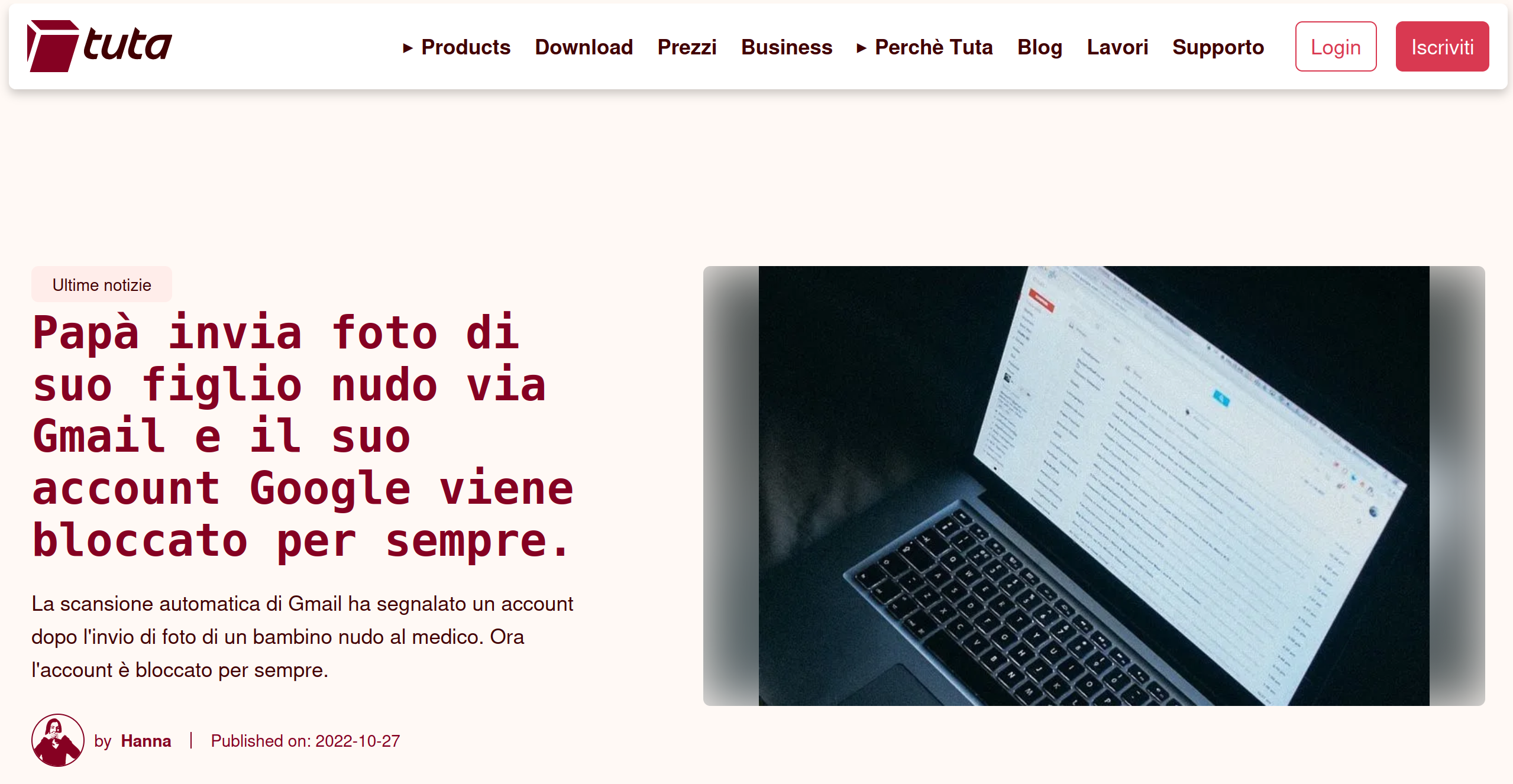
Imagine having all your photos on Google Drive and imagine not having access to the Cloud simply because there is no internet connection, or that tomorrow Google decides that among your photos there is one or more photos depicting your child perhaps in a swimsuit and the “intelligence” (so to speak) Artificial Intelligence of Google suspends your account for alleged offenses and you no longer have access to your data.
Those data or photos or videos that you have jealously stored in the cloud, confident that no one could delete them, are in Google's hands, which can manage your account according to its rules without you being able to do anything except file a complaint or at most justify yourself, moreover with a private company because that's what Google is, not a state, not a police force, not a government.
Furthermore, so much for your privacy, Google scans your photos and your data without you being able to object because when you accept the use of the service you also accept the scanning of your files.
That said, it is clear how important it is for us to maintain possession and control over our data now more than ever, and that is why we should consider alternatives that we can implement at home without giving up the convenience of the service, even if with some limitations.
What does it mean to do Self Hosting?
Self Hosting means having a server at home that we manage ourselves and physically own, or through the purchase of a service, a VPS, which is rented in the cloud. Needless to say, there are pros and cons to both solutions, but both allow us to install web applications such as Immich, Jellyfin, Kavita, NextCloud.
On one hand, the VPS is always accessible, and the management costs (electricity, network, and configuration) are the responsibility of the provider (included in your subscription), but on the other hand, a VPS has high hardware costs; in fact, if we want to purchase the service, we should carefully consider if we want more RAM, disk space, or CPU.
If we opt for a so-called on-Premises solution (server at home) we have to deal with other issues such as network management, connection to the provider, server-side security, and electricity costs.
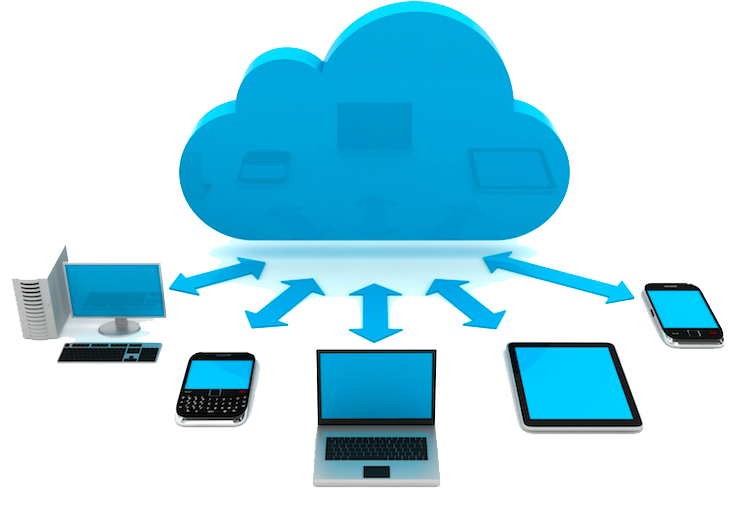
With the increase in data breaches, it is necessary to secure our data and the only way to protect it is and remains to not share it. However, there is a need to use useful services such as being able to save our photos and make them accessible, as well as our documents and various types of data, which should always be accessible but through services we can control.
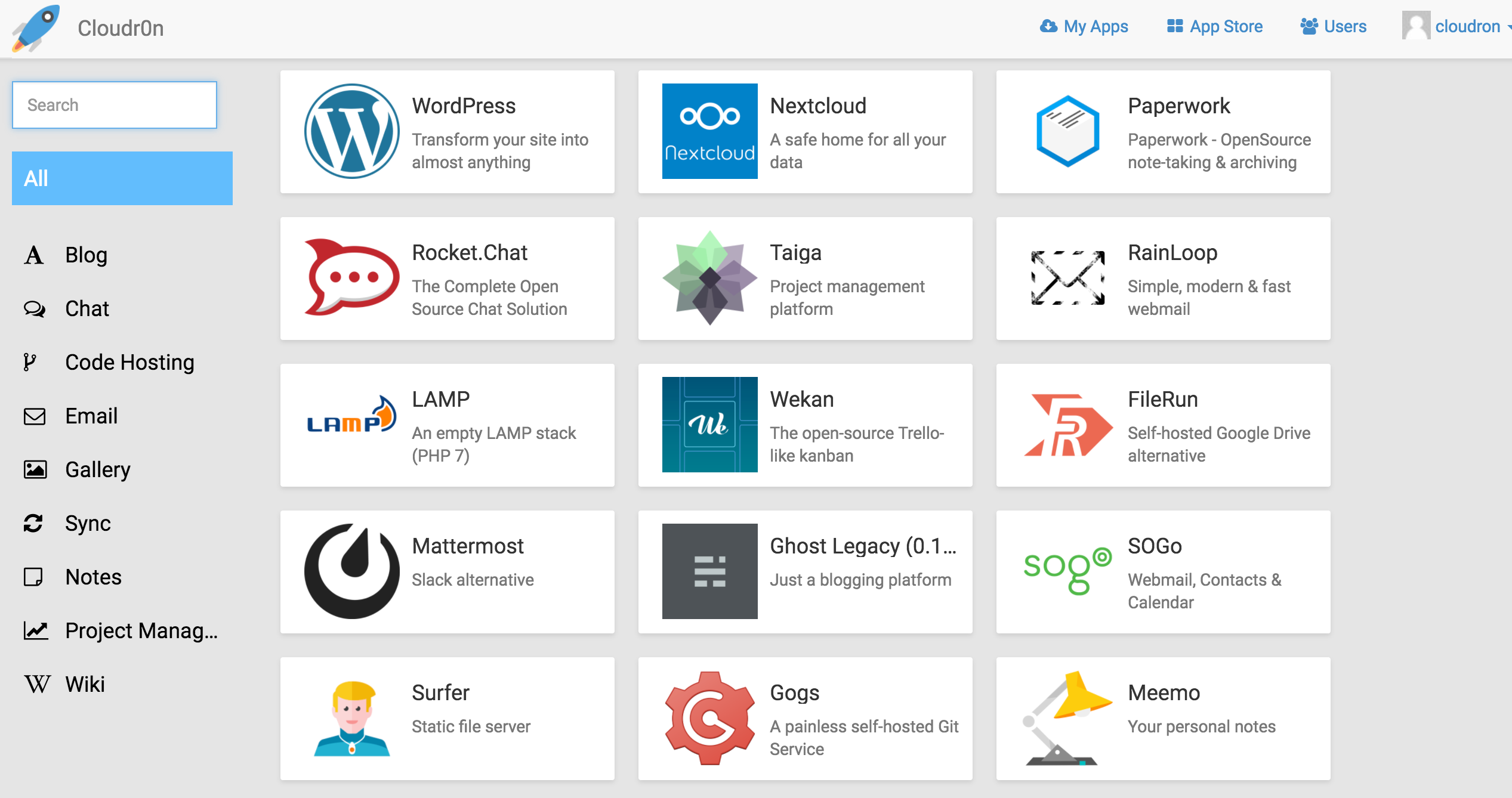
Below are some cloud services we can set up ourselves:
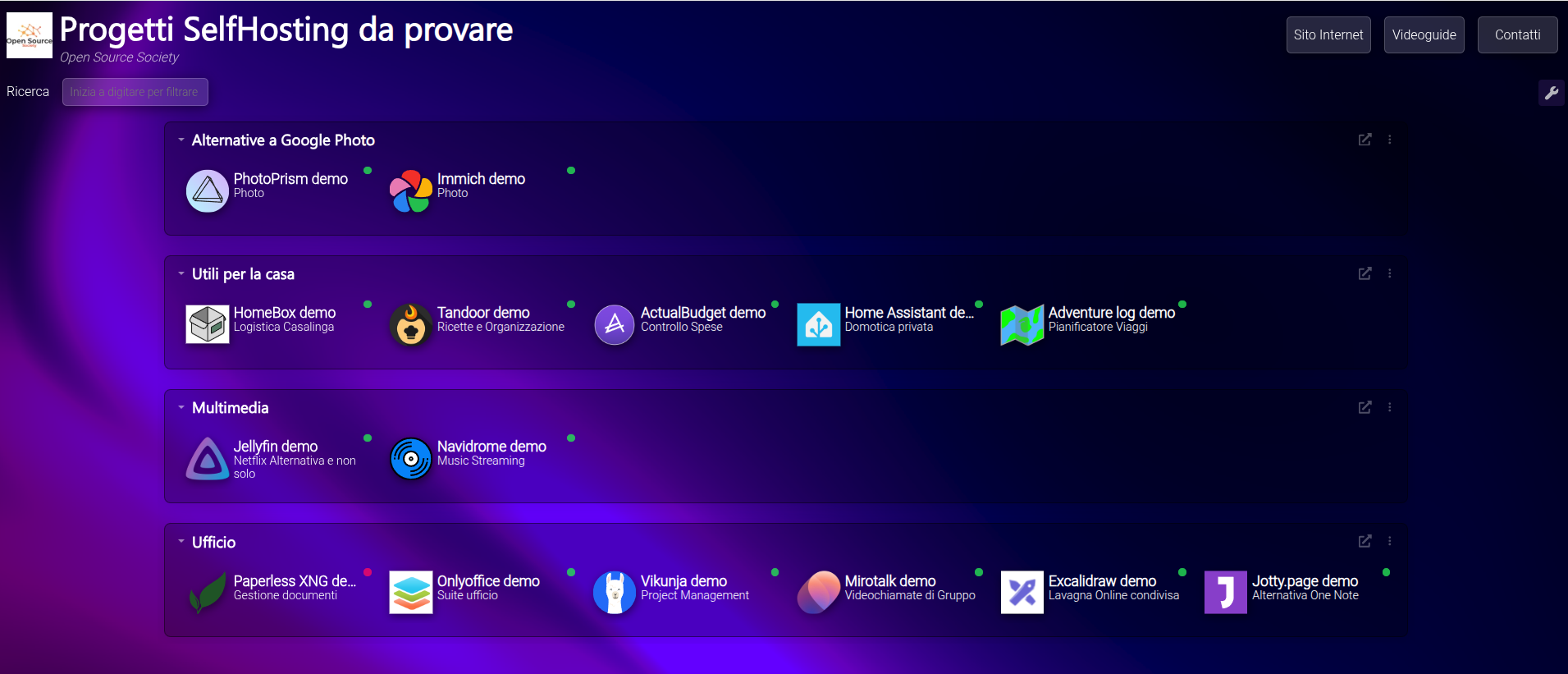
Immich replacement for Google Photos
Syncthing replacement for Gdrive, Dropbox, OneDrive, etc.
Jellyfin replacement (with due distinctions) for Netflix
Tandoor Cooking recipes always available
Paperless-ngx document uploader and archive
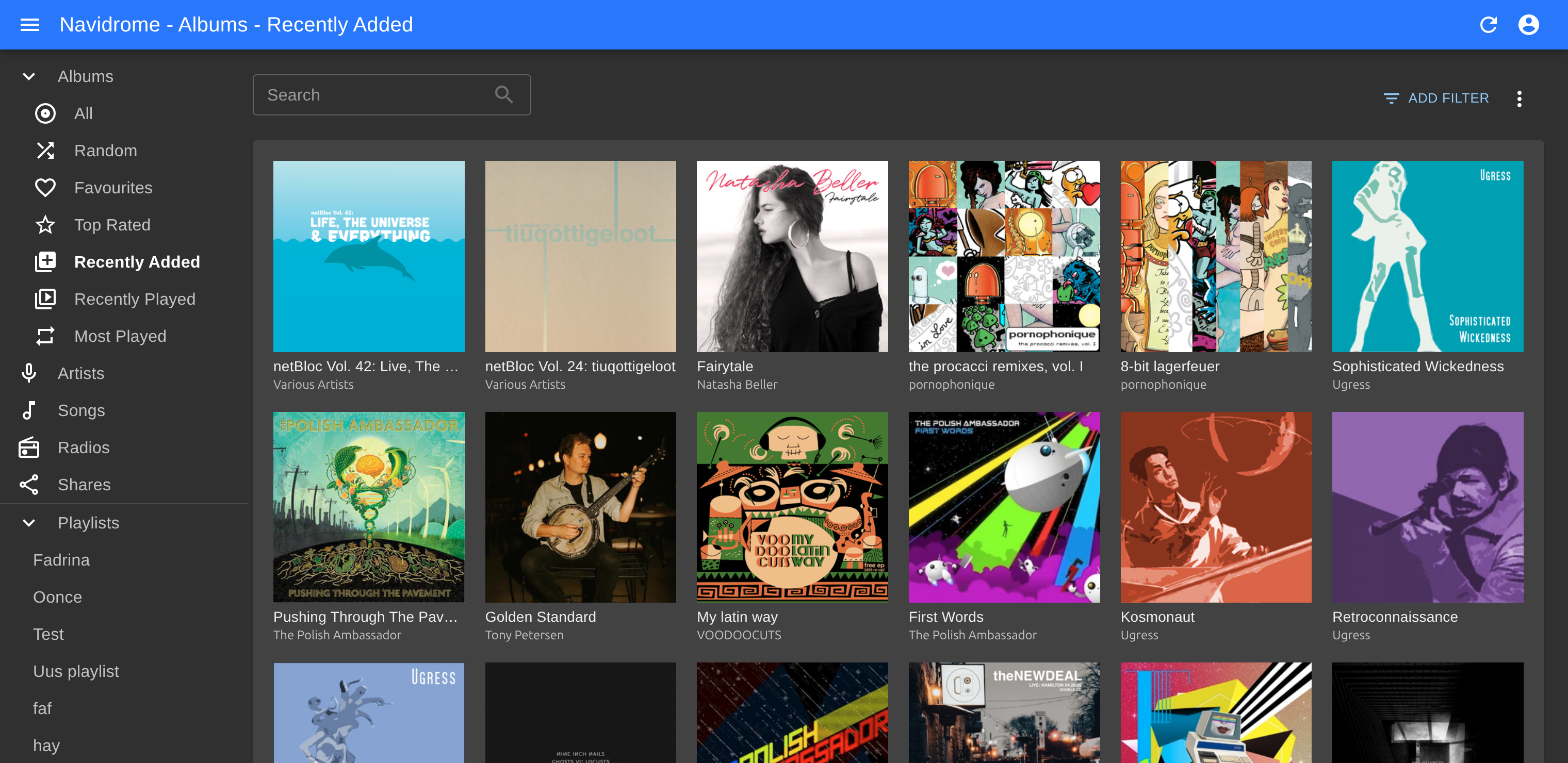
Navidrome alternative to Spotify
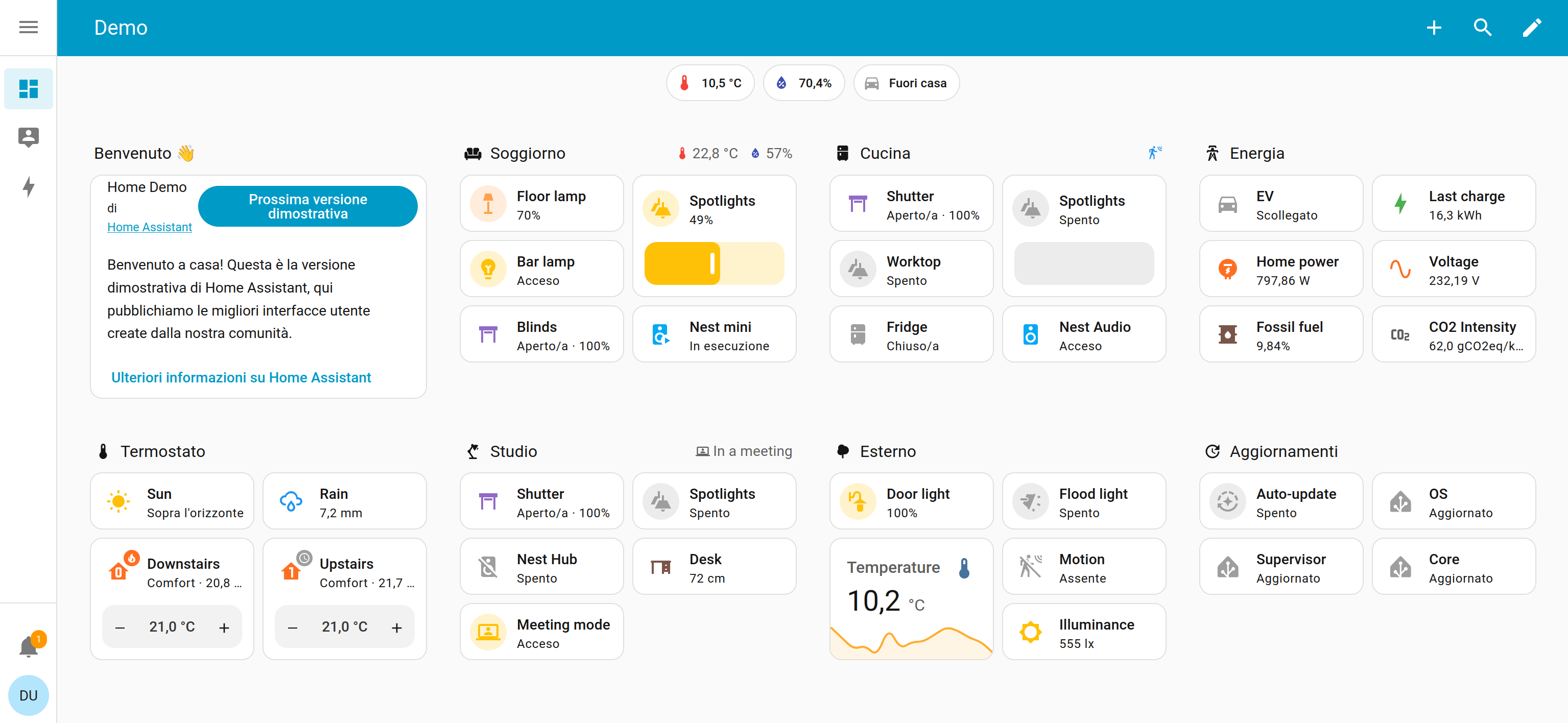
HomeAssistant for home automation, alternative to various apps and compatible with many smart devices
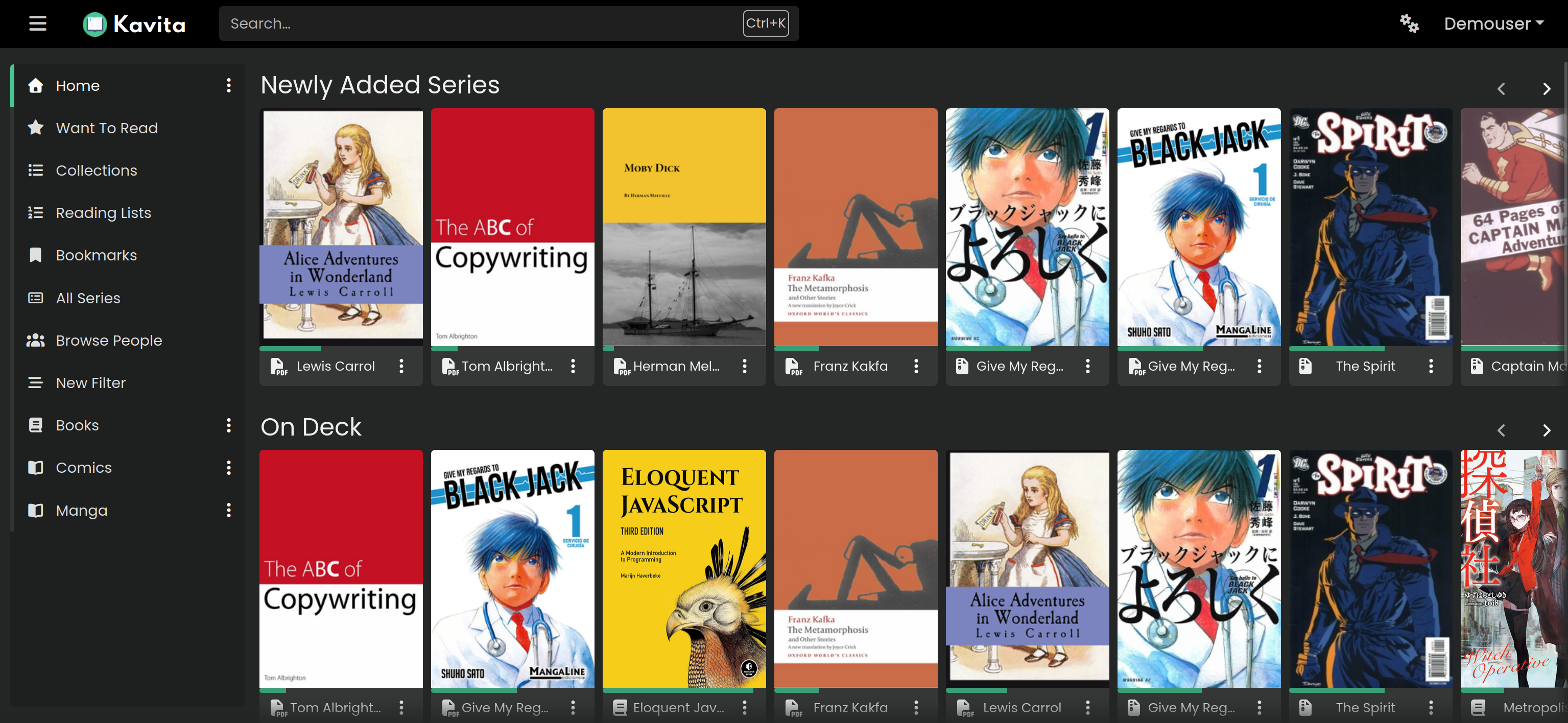
Kavita Personal library, alternative to Amazon Kindle
NoCoDB platform that allows us to create our own databases and share them without knowing how to code.
These are just some of the most interesting services and I'm sure I've forgotten others, but it's just to show that there is a server for everything and we can replace paid services that do not respect user privacy with other free and open ones that allow us to keep our data without sharing it.
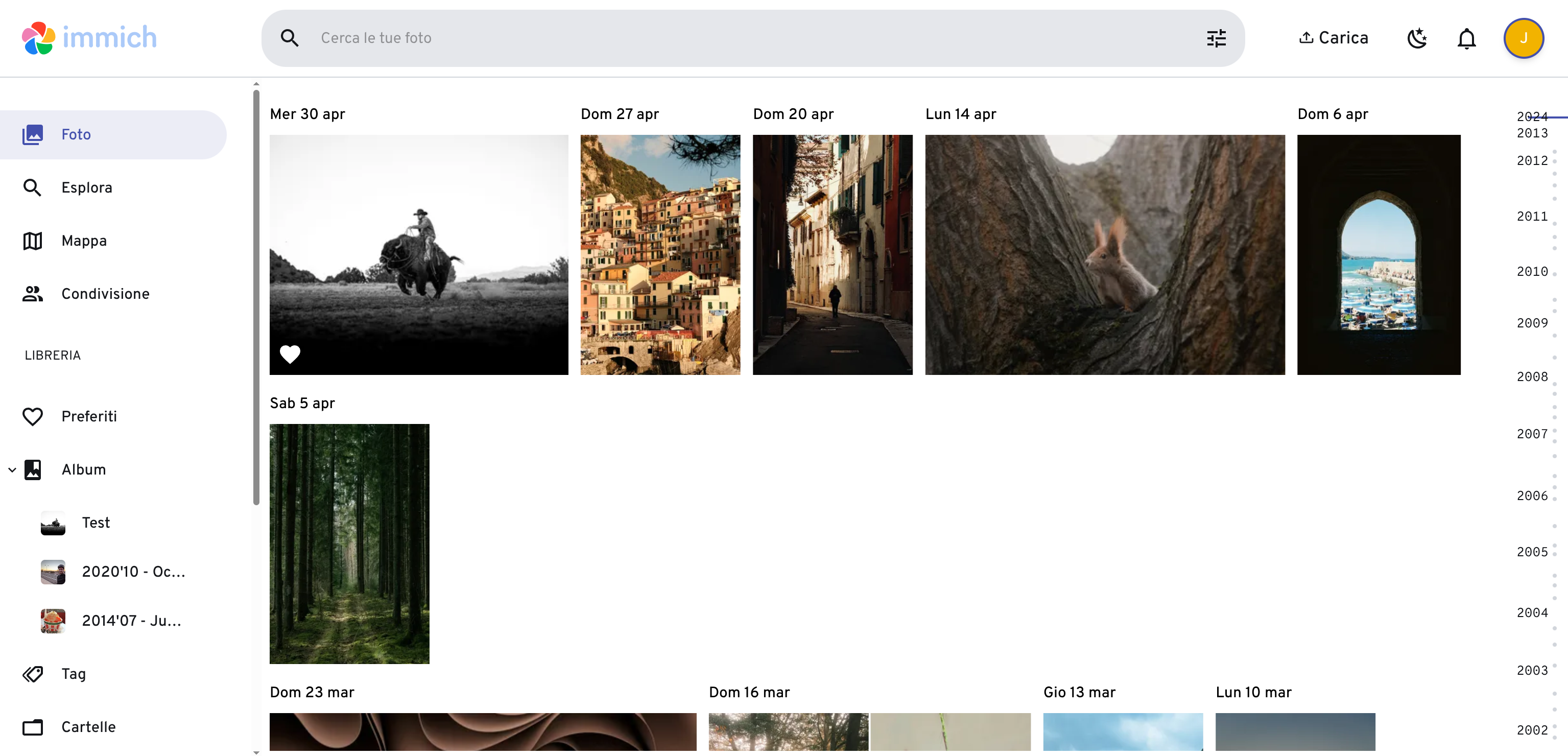
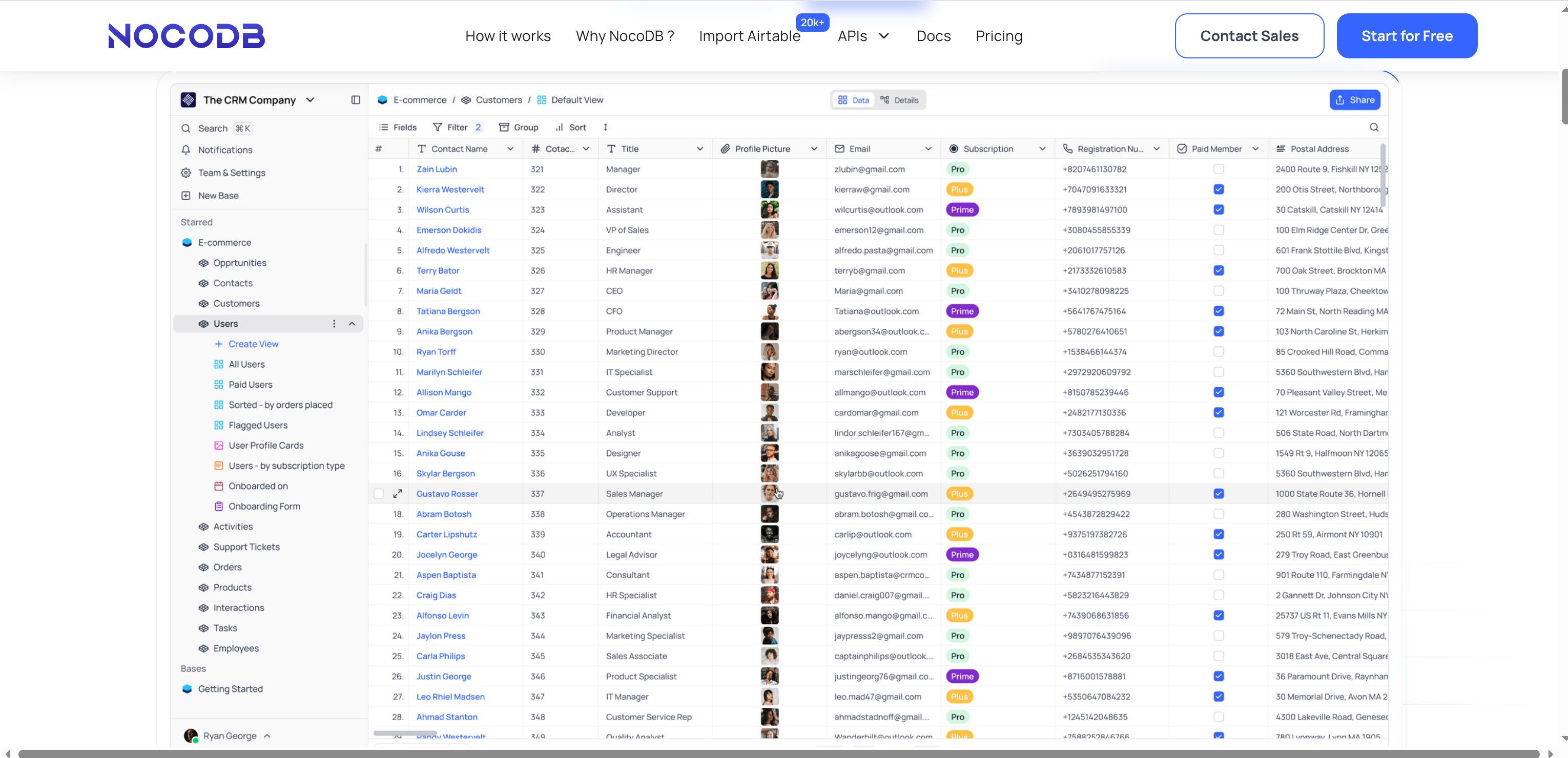
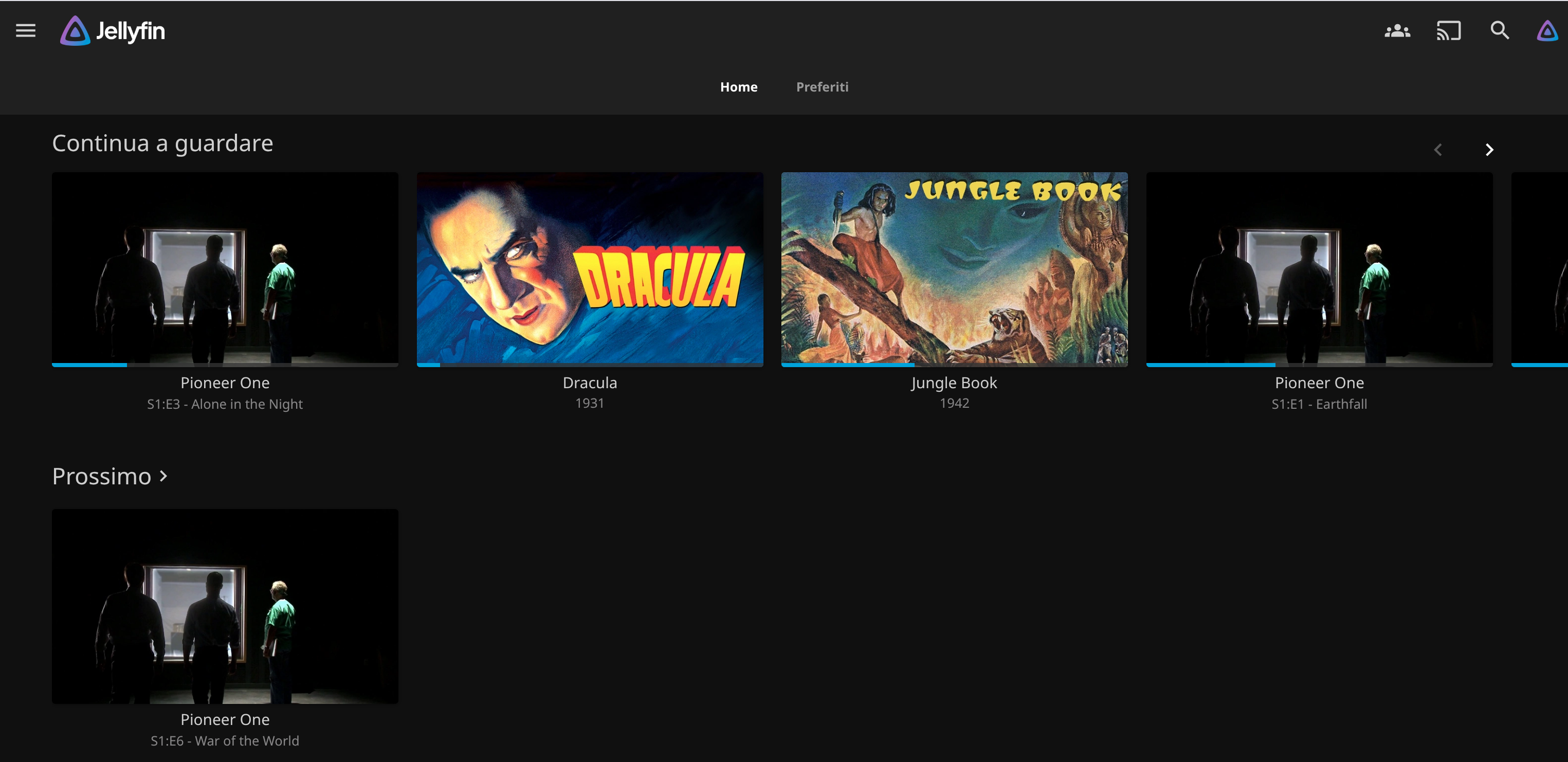
Another interesting thing to say about self-hosting is that it allows us to understand how services work and therefore forces us to learn how to use them, and we can start right away as long as we have a PC at home that we don't use, and we could start creating our own servers.
So the hardware is up to us depending on how many and which services we want to implement; even just a PC with 8 GB of RAM, a CPU with 4 cores, and 250 GB of disk space or a Raspberry, an old laptop—in short, you can really do anything.
Companies take advantage of our laziness and ignorance to profit from us, our habits, and our data, as well as manipulate our thinking according to various ideologies.
We need to rethink society and not make the world a closed place.
Invest in yourself, not in platforms….